Saturday, September 11, 2010

Would You Buy a Haunted House?

For more and more people, the answer is “yes.” According to AOL News, there are even paranormal real estate websites. They list the number of bedrooms and bathrooms a house has, and any suspicious paranormal activity, like drawers opening, or lights turning on and off by themselves. Prospective owners aren’t buying so-called haunted houses for a thrill. They’re doing it to cash in on creepy, like one woman mentioned in the article, who’s making a killing on her house in Minnesota. She’s written two books about how people who spend the night at her house wake up feeling like they’re floating. The buzz from the books has transformed her home into a tourist attraction. Throngs of haunted-house fans show up, wanting to be scared or see a ghost. In fact, the demand was so huge, she created a haunted tea party business at her home.
Two brothers bought a Michigan inn rumored to be the site of unexplained occurrences. Instead of trying to keep its spooky past a secret, to avoid scaring potential guests, they embraced the fright factor. They proudly play up the legend of the ghost in the inn’s restaurant. Of course, there’s no law that requires sellers to disclose to potential buyers that the house has a reputation for bizarre behavior. However, a growing number of buyers are interested in knowing whether a house has paranormal activity. So, the real estate industry may have to create what they’re nicknaming a “Casper clause” to disclose any funny business.
In this scary economy, people are getting more creative to make a buck, and could be pretending a house is haunted to raise its saleability. However, if you’re in an old house and you hear strange noises, it’s probably not a sign that it’s haunted, just a sign you need a handyman

Friday, September 10, 2010

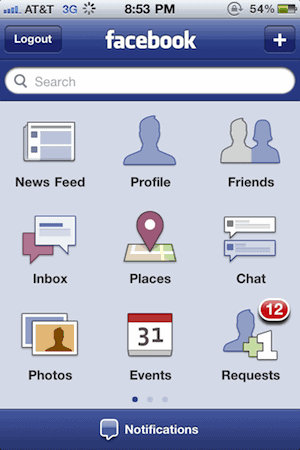
Beware of The New "Places" Tool on Facebook

If you’ve got Facebook on your cell phone, beware: The new “Places” tool is getting a lot of heat. It allows you to “check in” wherever you are through your phone’s GPS, and a map of your exact location appears on your page. All your friends get an update about it too. We’ve already told you the downside of GPS-based location apps. For example, if you use Facebook Places, everybody knows where you are at any given moment. So let’s say this pops up on your Facebook page: “John is at Kohls on First Street” – Now your stalker knows where to find you, and thieves who are following you on Facebook know you’re not home. In fact, they also know how far away from home you are – so they know how long they have to break into your house and get away.
Another downside of the Places feature? You don’t have all the control! Your Facebook friends can also check you into places without your permission! So say your ex has an axe to grind, they could check you in at the movies when you’re supposed to be working. Do your kids have Facebook on their cell phones? Watch out. They could be broadcasting their whereabouts so everyone knows where to find them, including predators.
These aren’t the only problems with the “Places” tool: One of the places you can “check in” to is your own home. If you do that, everybody now has your home address and a map of how to get to it. If you’re on Facebook and don’t want people to know the “Places” you go, you can disable the option

Great Questions to Ask in an Interview

From: U.S. News & World Report

Here’s the scenario: You’re interviewing for your dream job. The interviewer likes you, and you’re shining like the star you are. Then they ask, ‘Do you have any questions?’ You say no. Stop right there! Even if you’ve done your homework, and know all the answers to all your questions, you’ve got to ask something. It makes you look like you’re interested in the position. So what should you ask? Here are some great end-of-interview questions:

Can you describe a typical day for someone in this position? If your interviewer seems nervous about what you might ask, questions about something specific are a good way to get the ball rolling. Plus, you want to know what your day-to-day work life will be like.

Could you talk about the history of this position? What you’re trying to find out is how long the position has existed, how many people have held it, and what happened to the last person who held the job. If they’ve been through six people in a year, that’s a red flag that there’s something wrong.

Another great job interview question to ask: ‘In what area could your team use some improvement?’ That gives you the chance to talk more about how your skills could help with that improvement.

Also ask: What are the prospects for advancement? This question makes you sound ambitious, and makes you look like a person who looks at the big picture.

Try asking, ‘Who are the most successful people in this company and why?’ That way, you’ll find out about the company’s values and culture, and how the powers-that-be measure success.

The final job interview question to ask, ‘Do you have any reservations about me or my ability to perform this job?’ It’s a gutsy move, but consider it. Not only does it earn you points for courage, you’ll be able to squash any negative impression they may have.

Signs You Have an Anger Issue

From CBS News:

We all get annoyed if someone cuts in line in front of us, but there’s a difference between an occasional outburst and being an angry person. Here are four signs you have an anger issue:

Anger issue #1: Getting mad at the little things – like having to wait for an elevator. Dr. Redford Williams is a psychology professor at Duke University and author of the book, “In Control” and he says anger can have a positive effect – and urge us to take action. In fact, without anger, Rosa Parks would have sat in the back of the bus. Racial discrimination is a big issue. When someone gets angry at the little things they can’t control, that’s a problem.

The next anger issue: Interrupting. Angry people tend to be impatient, and have trouble letting others finish what they’re saying. Even when they let someone talk, they might only be pretending to listen.

Then there’s complaining: Dr. Williams says people who spend a lot of time ranting about politics, sports, the PTA, or the shortcomings of other people often have anger management problems.

Another sign of anger management issues: Being easily offended. Comments that others might laugh off can get under the skin of someone who’s on the edge of anger. They’re often waiting for others to mess up so they can pounce.

The final sign of anger management issues: Getting red in the face. Emotional heat can make your face red – just like hot temperatures you can measure on a thermometer. Anger can also cause labored breathing, fidgeting, and pacing back and forth, as well as serious health problems like high blood pressure and a higher risk for stroke, heart attack, and ulcers – because an angry body releases chemicals that reduce blood flow to the gut.

If any of these qualities describe you or a loved one, you can find help at the site Anger-management-Resources.org.

Saturday, June 26, 2010

Lose Weight for Summer

(HealthCastle.com) All winter and spring you've been hiding under your layers. But now the first beacon of summer - Memorial Day - has passed, and summer is officially in full swing. It's time to finally shed your layers for warmer weather! If your diet hasn't been up to par and you're worried about shimmying into a swimsuit, don't despair… there's plenty of time to lose weight the healthy way and shed your cover-up with confidence.
Eight Ways to Kick-Start your Diet Back and Get Back on Track to Lose Weight for Summer

* Start now.
Don't wait for next week, Monday, or even tomorrow. Finish this article and set out to make positive changes right away. Setting up a “start date” can backfire, since many people overeat in anticipation of cutting back for an upcoming diet. The trouble is, too many false starts and “last treats” can add up to hundreds of extra calories, not to mention lots of frustration. Remember, dieting isn't about ditching all of the things you love to eat - it just means eating less of them and replacing the balance with healthy foods.

* Set some goals.
Most people wouldn't set out for a big adventure without a map, directions, or even hotel reservations. So don't set out on a diet without simple goals; they are your roadmap to losing weight with success. Jotting down a few realistic expectations can give you something to aim at. Want to wear a swimsuit to a party you know is coming up later in the summer? Do you have an upcoming vacation planned, and you'd like to feel confident lounging on the beach? Make a diet road map and get going!

* Plan for a healthy breakfast.
Choose a doughnut, and you're more likely to continue to choose less-than-healthy picks throughout the day. Choose a healthy breakfast that gives you an energy boost from whole grains or fruit-based carbohydrates, plus protein to sustain you, and you'll set in motion a day of better choices. Your breakfast does not have to be time consuming or fancy - cereal and milk with fruit or a whole grain English muffin with 2% cheese and an apple are perfect.

* Stay hydrated.
Sometimes it's easy to confuse hunger for thirst; staying properly hydrated can be a big diet help. In fact, a 2005 University of North Carolina study found that people who drank about 6½ cups of water ate nearly 200 less calories throughout the day - not to mention the fact that your body requires water to work well (which includes burning calories). When your body is working the way it should, it's easier to find the motivation for exercising, cooking, and eating right.

* Use a hunger scale.
If you're not eating mindfully, it can tough to figure out why you are eating; are you hungry, stressed, sad, or bored? Try picturing a scale where 10 means you're ravenously hungry and 1 means you're not hungry at all. Before you eat, think of the scale and consider where you are on it, then match that assessment to how much you will eat. For example, if your hunger is at "1," you really don't need to eat - but perhaps need another diversion like taking a walk or responding to a few friendly emails. And while you're eating, keeping a hunger scale in mind will help you stop eating before you are over-stuffed.

* Set up your kitchen for success.
If you find that, say, a package of Oreos tempts you into eating too many, get rid of them! It's OK to have a splurge every now and then, even when you are trying to lose weight. But sometimes it's just easier to have a single splurge, like going to the ice cream shop and enjoying a cone, rather than buying a carton of ice cream to keep (and tempt you) at home.

* Try a new recipe.
Sometimes it's easy to feel unmotivated to make a change to your diet if you are tired of eating the same old foods. So, try a new recipe using healthy ingredients. Take a trip to the store (or better yet, the farmers' market) to inspire a culinary creation out of some of the beautiful, fresh, and super-nutritious produce finds that are ripe and delicious this time of year.

* Keep a food journal.
Those bites, licks, and tastes can really add up to big calories! Make this your mantra: if you bite it, write it. You may be surprised at where you are taking in extra calories that are keeping your weight loss efforts from taking off. Plus, a journal makes it easier to find times during the day that you can pinpoint stress eating or overeating; you can then use the journal as a tool to devise a solution to diet-destroying eating patterns.

- The Bottom Line
Commit to making some healthy changes now! Most importantly, find the combination of motivators that gets you started and keeps you going. Make this your summer to lose weight for good!

Saturday, June 19, 2010

Here Are Some Handy Uses For Vinegar

If you need to unclog a drain or deodorize your shoes, grab the vinegar! You've heard that before on this show. Well, here are some handy uses for vinegar that you probably HAVEN'T heard so pay attention! We found these in Real Simple magazine.

* Use it to treat oily hair. Vinegar is a good degreaser for oily hair because it helps adjust pH levels. Just shampoo and rinse as usual. Then pour a quarter cup of vinegar on your hair and rinse it again.

* Removing stubborn price tags or stickers. Cover them with several coats of vinegar, let the liquid soak in for 5 minutes, then wipe away the residue.

* Use vinegar to remove coffee or tea stains from the bottom of a cup. Just swish 2 tablespoons around in the cup and wash as usual.

* Making wool sweaters fluffier. Drop in a couple of capfuls of vinegar during the rinse cycle for an extra-soft feel.

* Vinegar will kill weeds between cracks in paving stones and sidewalks. Just fill a spray bottle with straight vinegar and spray a few times. But don't get it on the grass because it'll kill that, too.

* You can use it to deodorize your garbage disposal. Make some vinegar ice cubes and put them down the disposal. After you grind them up, run cold water through the drain. You're disposal will be smelling as good as it did the day it was made.

Sunday, June 13, 2010

What's Normal Human Body Temperature?

What’s normal human body temperature? 98.6 Fahrenheit, right? Well, not exactly! According to The Week magazine, for most adults, normal body temperature is actually half a degree cooler. 98.1. So, how come the wrong temperature was established as the standard? Well, back in the mid-19th century, German doctor Carl Reinhold August Wunderlich decided to establish the norm for human body temperature. He acquired a new-fangled invention – the mercury thermometer – a 1-foot long glass tube that was held under the armpit for 11 minutes to get a reading. He took the temperature of 25,000 people at different times of day. He discovered that temperature differed from person to person. For everyone, it was lowest in the morning, and highest in the afternoon as activity and metabolism picked up. The range: between 97.2 and 100.4 degrees.

Once he had all the numbers, he had to calculate the “average” of over 1 million readings by hand – since the calculator had not yet been invented. He came up with the now-familiar average of 98.6. More recent studies discovered that not only is average human body temperature lower than that, it’s also different for different groups of people. For example, it’s slightly higher in women than men. Slightly higher in blacks than whites. Slightly higher in children than adults. On the flip side, body temperature is slightly lower in senior citizens. The overall average is 98.1 degrees. Of course, scientists were puzzled about how Dr. Wunderlich came up with 98.6. So, they examined his only thermometer. The result? The thermometer was calibrated incorrectly – so all of his readings AND his results were false.