Tuesday, March 10, 2009

Identity Scammers Can Target You and Your Friends on Facebook

From MSNBC:

Watch out, Facebook users! Identity scammers are now targeting your FRIENDS – and YOU! Take Bryan Rutberg. His daughter was the first to notice something odd about his Facebook page. One night, she ran into his bedroom and asked why he’d changed his status to: “BRYAN IS IN URGENT NEED OF HELP!” Rutberg didn’t think much about it, but an hour later, he took a second look and realized his Facebook account had been hacked. Within minutes, his cell phone was ringing non-stop, with concerned friends calling to offer help. Many had received an email saying that he’d been robbed at gunpoint while traveling in the UK, and needed money to get home. One friend even sent $1,200 to a Western Union branch in London. Hackers had taken over Rutberg’s account, and even worse - they’d changed his login credentials so he couldn’t access his own Facebook page to remove the status message. He tried to use his wife’s account to post something on his “wall” saying he was fine, but the scammers had “de-friended” his wife, so he couldn’t. He did finally manage to get his account deactivated, but by that time, a friend’s impulsive generosity had cost him big-time.

Rutberg was the victim of a new type of scam. Facebook is currently beefing up security in reaction to the incident, but users have complained about the length of time it’s taking. So in the meantime, here are a few tips to protect yourself. These come from Kevin Haley, director of security at Symantec Corporation, which aims to protect online users.

  • Be suspicious of anyone, even friends, who ask for money. Verify their circumstances, preferably by direct phone contact.

  • Also, don’t use the same password for all online accounts. Since Facebook is so popular, criminals who manage to steal someone’s information will surely try to hack their other online accounts, too.

  • Make sure you have more than one contact email address, in case one is compromised.

Tuesday, March 3, 2009

Exercises for Your Brain

Some sedentary activities can actually provide a great workout for your brain! So if you must sit still, try some of these mental exercises:
  • To think faster: Play video games. In one study, gamers were able to process new information up to 13% faster – and more accurately – than non-gamers! Why? Dr. James Paul Gee, a language professor at the University of Wisconsin, says video games force people to make quick decisions, sort out patterns, and think strategically, three skills which improve what he calls your “fluid intelligence.”

  • To solve problems better: Surf the Web. Researchers at UCLA found that people who cruise the Internet use twice as many brain cells as people who read a book. That’s because you’re constantly wading through several pages of digital data at once, filtering out information you don’t need. So even a simple Google search will fire neural connections in multiple lobes of your brain at the same time – including the area responsible for complex reasoning.

  • Want to be more productive at work? Play a computer game – like Solitaire or Free Cell. Your boss may not agree, but new research shows that single-person strategy games can lower stress and improve mood. Those are two factors known to boost productivity! Also, lower stress improves a worker’s ability to solve problems and make tough decisions. However, we encourage you to save your next Minesweeper marathon for your lunch break.

  • To improve concentration: Watch a complicated TV show. Dr. Patricia Farrell is a psychologist who wrote the book How To Be Your Own Therapist. She says recent hit shows like “Lost,” “24” and “Heroes” are great for the brain, because they have lots of plot lines and characters to keep track of. That forces people to either pay close attention, or risk being left in the dark! So the better you are at noticing subtle plot points in your favorite TV show, the better your overall focus will be.

Studies have shown that mentally stimulating lives can postpone memory problems. But diets high in saturated fat, plus a lifestyle filled with stress, little physical activity, and few mental challenges have been linked to a higher risk of dementia. But those who follow Dr. Small’s ‘boot camp’ for the brain program (Gary Small, a psychiatrist at UCLA, and author of The Memory Prescription), end up with more efficient brain cells, are much less forgetful, and have lower blood pressure. And there’s new evidence that keeping blood pressure down might delay the onset of Alzheimer’s for several years. So, here’s what ‘boot camp’ for the brain is:
  • The doctor recommends a diet high in omega-3 fatty acids, which is found in nuts and fish and lots of antioxidants, like blueberries and prunes.
  • The program also includes stress release sessions and physical exercise, which includes brief moments of stretching, walking and yoga, several times a day.
  • And then there’s the memory aerobics that help keep your brain nimble. About 15 minutes a day of puzzles and brain teasers, like remembering the name “Weinberger” by visualizing a bottle of wine falling onto a burger.
If you’d like to go further, the book is called The Memory Prescription by Dr. Gary Small.

Thursday, February 26, 2009

Ways to Save Money

From Real Simple magazine:

We’re all trying to figure out how to save money and live on less. That’s why we’ve tracked down even more ways to cut back! Here are some big money-drains that really add up:

  • Paying bills by snail mail. According to ClearPoint Financial Solutions,a company that deals with credit counseling, the average household receives about 15 bills a month. With stamps now at 42-cents each, you’ll spend about $76 a year just on postage! That’s NOT counting the late fees if your checks get lost in the mail. Almost all major banks offer free online bill payment, which lets you schedule payments at your convenience. If your bank doesn’t offer online bill pay, you can call the customer-service departments for your bills to have payments automatically deducted from your account every month.

  • Another money-drain: Purchasing a life insurance policy through your employer. P.J. Patierno, a financial planner, says that a healthy woman in her late 30s could save 20% each year by purchasing a $500,000 life-insurance policy independently. Why? Because the rates charged at work are designed to cover the liabilities of everyone in your office. The overweight guy down the hall and the smoker upstairs are getting the same coverage as you. So, buy your life insurance from a broker or a financial planner. An independent provider will know details about different policies, and can recommend one suited to your lifestyle.

  • A cell-phone plan that doesn’t match your needs. According to consumer research firm J.D. Power & Associates, cell-phone subscribers use only 64% of the minutes they pay for. So, analyze your usage. You may find that buying fewer monthly minutes, but getting unlimited evening and weekend minutes may work better than a more expensive plan. If your contract is up and you’re thinking about switching carriers, check out MyRatePlan.com to find the most cost-effective one that works best for you.


    When it comes to finances: Don’t get emotional. Amanda Clayman, a social worker who specializes in helping clients deal with money issues, says for starters, STOP wishing that negative events hadn’t happened. That’s wasting energy on something you can’t change. In fact, it’s crucial that you separate money and emotions. Clayman says she’s seen clients use “credit card therapy” to cope with a crisis, but that only made things worse. Yes, your situation may be unfair, but the Universe doesn’t owe you a new wardrobe in return. So, put emotions aside when making financial decisions and concentrate on what’s practical. Then move forward.

    If you get sick but, don’t have health insurance go public. Rachel Alt, an ER doctor in New York City, says find a public hospital in your area. Some will agree to charge only what you can pay based on your income. Not sure if a hospital is public? Just look for the words “public” or “county” in the name. If you’re in need of emergency help, the doors of the ER should always be open - no matter what kind of hospital you go to. So, insurance or not, get checked if you’re in any type of severe pain. Your life could depend on it.

    One final piece of advice comes from Darryl Robinson, a bartender at Hudson Bar in New York City. He says in difficult times, it’s important not to completely deprive yourself. We all need to be social and see friends – and we can do it economically. His advice? Limit your socializing to either Friday or Saturday night, when most people are free. That way you can catch up with a lot of friends at once. Also, a martini is the best bang – or alcohol - for your buck. Just one can last you the entire evening. Be sure to grab a bite to eat at home before you head out for the evening. Robinson says you’d be surprised how fast your tab can go up when you start ordering food. Plus, if you have something in your stomach when you go out, you’ll drink less, spend less – and handle your liquor better.
North Americans are digging deep to save money. According to USA Today, as the economic news seems to get worse each day, people’s spending habits have swung from spendthrift to frugal in record time. Financial polls find that more than half of all households are cutting back as a result of the falling stock market and fears about the economy. Here’s what some people are doing to save. You might want to try these yourself:
  • Selling extra stuff. According to eBay CEO John Donahue, the average person has over $3,000 worth of items just lying around the house they could sell to raise cash. Over 1.3 million people make their primary or secondary income from eBay, and many more are starting to sell things they can live without just to make ends meet.

  • People are eating at home. Restaurants are reporting declining sales, since cutting back on eating out is the number-one money saving move for North Americans, regardless of their income. Families are bonding around the dinner table, buying in bulk, and serving smaller portions.

  • Another way people are making money: by taking an extra job. According to the Bureau of Labor Statistics, the number of people who have an extra part-time job increased 11% in the past year.

  • People are renting movies instead of going out to the theater. According to Home Media magazine, sales of new Blu-ray Hi-Def disks - a newer DVD home movie format - have more than tripled in the past year. Renting a DVD is a whole lot cheaper than a night at the movies, which can run up to $50 for two people when you include popcorn and snacks.

Monday, February 23, 2009

Interesterified Fats: Replacement for Trans Fats

From HealthCastle.com:

Before you purchase your next box of crackers or cookies with a "zero trans fat" or "trans fat free" label, take a look at the ingredients list. While many food companies have eliminated partially hydrogenated oils (and the resulting trans fats) from their products, the replacement, interesterified fats, may not be much better.

Why Interesterified Fat - and What is it?

Since 2006, nutrition facts labels on packaged foods have been required to list the amount of trans fat in the product. This led food companies to look for ways to remove partially hydrogenated oils (and the resulting trans fats) from their products. Their answer to the demand for trans-fat-free products is interesterified fats.

Interesterified fat is made by combining a solid fat (containing saturated fatty acids) with a liquid fat (vegetable oil containing unsaturated fatty acids) to create a product that behaves like saturated fat in food preparation, but lacks the "bad" effects of saturated fats or trans fats on blood cholesterol once it's consumed.

Is it Safe?

It is too early to tell whether interesterified fats are safe for regular consumption. Some research suggests that they are no better than trans fats, having the same effects on blood cholesterol (lowering the good HDL and increasing the bad LDL), as well as raising blood sugar and lowering insulin levels, which could increase the risk of type 2 diabetes.

Where Would I Find Interesterified Fats?

Most likely, in the same places we used to find partially hydrogenated oils and trans fats - processed baked goods, spreads, and frozen convenience foods. Since there is no specific labeling requirement for interesterified fats, you would not see it on the nutrition facts label. Instead, review the ingredients list for "interesterified" fats or oil. If "fully hydrogenated vegetable oil," "palm oil," and/or "palm kernel oil" are listed, the product may or may not contain interesterified fat. And of course, be wary of "no trans fat" or "trans fat free" statements on the package.

The Bottom Line

Both trans fats and interesterified fats were developed to meet the demand for convenient, packaged foods with a longer shelf life. Common sense will tell you that any foods that can last longer than their homemade versions need additives in order to delay their "extinction". These same types of foods tend to also be high in total fat, salt, and sugar, as well as other food additives. Why risk your health by consuming things we have a hard time pronouncing? Instead of eating out of a box, nourish your body with the least processed foods possible, whether simply snacking on fresh fruits and vegetables or making your own meals from fresh ingredients.

Wednesday, February 18, 2009

Foods to Improve Your Mood and Make You Smarter

Here’s one more reason to eat healthy foods – you’ll be smarter! According to an article on Netscape, there are plenty of benefits that come from good nutrition besides a fit body. One of the big ones is improving your mood, and having healthy brain function. Here are the foods to keep your brain in tip-top shape:
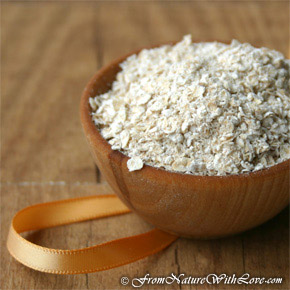
  • Whole grains. You’ve heard plenty of times that a diet high in fiber and low in bad cholesterol keeps heart disease under control, but it also means better blood flow. That’s because the heart helps blood get around the body, and that improves your overall mental state. Oatmeal is a great choice, because it’s full of fiber and easy to prepare.

  • Blueberries. They’re the #1 choice for adding disease-fighting antioxidants to your diet and preventing your brain from stress. Whether they’re fresh, frozen, or freeze-dried, nutritionists agree that you’ll be doing your brain a big favor if you make them a regular part of your diet.

  • Raisins. They’re good for your brain because they contain boron. That’s an element that improves hand-eye coordination, attention, and memory. Don’t like raisins? Other good sources are hazelnuts, almonds, and dried apricots.

  • Eggs. They’re a great source of choline, which is another nutrient that helps your brain process and remember information. You need both the yolk and the egg white to get the choline.

  • Broccoli and sunflower seeds are brain food. So, steam some broccoli and add a small handful of sunflower seeds. The combo is high in Vitamins C and E, which helps prevent Alzheimer’s disease when they’re eaten together.

Sunday, February 15, 2009

Friends and Health

The best thing you can do for your health may be to make some new friends. That’s because study after study has shown that social ties - with family, friends, and even pets - pay off in terms of good health and longer lives. Dr. Andrew Weil, a Harvard Medical School graduate and founder of the Integrative Medicine Program at the University of Arizona, says there’s a lot of evidence that links good health with strong connections to family and friends. Here are some examples:
  • The immune system is negatively affected by signs of distress, and one of those signs is a lack of social support.

  • Also, one study of 75 medical students found that those who were lonely had more sluggish immune systems than students who weren’t.

  • Then, research has shown that people with pets are healthier than people without them. Dr. Weil says pet owners also recover from serious illnesses faster.

  • Another bit it evidence that links strong social and family ties to good health: People who use the words “I,” “me,” and “mine” in conversation are more susceptible to heart attacks. People who talk about friends and family – and use the words “we”, “us” and “ours” have stronger hearts.

  • Studies show that people who get out and spend more time with others during cold and flu season actually get sick less than people who choose to be alone.

  • Being grateful for what you have is closely associated with physical and emotional health.

Get out there and cultivate the close relationships in your life – because they’re keeping you healthy. You can get more health tips from Dr. Weil at Dr.Weil.com.

Saturday, February 7, 2009

Mistakes of Winter Driving

From Forbes Magazine:
If you’ve ever driven in the snow, this stat should come as no surprise: Bad weather contributes to 20% of highway fatalities. So, here are four deadly mistakes of winter driving – and how to avoid them.
  • The most common winter driving error and the most dangerous is driving too fast. Slippery roads make mistakes happen faster and more dramatically. In other words, a wheel turned too quickly or a brake stomped too hard can easily cause you to slide. All the antilock brakes and 4-wheel drives in the world won’t help you. Be especially careful turning corners, where your wheels can easily lose their grip. Try braking slowly before you get to the corner, and accelerating gently out of it.

  • Another deadly winter driving mistake: Following too closely during bad weather. On a dry summer day, following three seconds behind another car is smart, but in snowy conditions, stopping distance increases dramatically – so double your following distance. To see if you’re too close, start counting when the car in front of you passes a sign. One 1-thousand, two 1-thousand. If you pass the sign before you count to six, back off.

  • Another winter-driving mistake: Not carrying emergency gear. If you get stuck in the snow, have car trouble, or have an accident, your life could depend on your supplies. So, during the winter, always carry coats, hats, gloves and socks, road flares, tire chains, jumper cables, a shovel, and kitty litter for traction on slippery surfaces. You should also have a first aid kid, a flashlight, water, nuts, dried fruit and granola bars, and matches in a waterproof container.

  • One final winter driving mistake: Leaving your car if you’re stranded. Unless you’re in imminent danger, your car’s the warmest, safest place to wait until help arrives, and it’ll be easier to find than you will be on foot. Just be sure your exhaust pipe is clear of snow, ice or mud, to prevent carbon monoxide poisoning, and run the engine for 10 minutes each hour for heat.